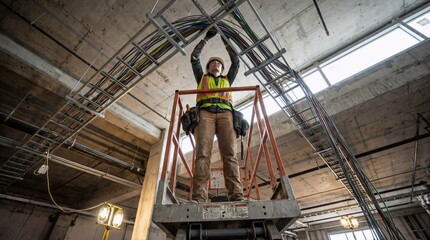
Commercial Electrical Installation is a critical component of modern business infrastructure. From office buildings and retail stores to warehouses and industrial facilities, reliable electrical systems are essential for daily operations. Proper installation ensures safety, efficiency, and compliance with regulations. Because commercial properties have more complex power demands than residential buildings, careful planning and professional execution are vital.
Understanding how commercial electrical installation works and why it matters helps business owners make informed decisions that protect both people and property.
Understanding Commercial Electrical Installation
Commercial electrical installation involves designing and implementing electrical systems that support business operations. Unlike residential systems, commercial installations must accommodate higher voltage requirements, greater power loads, and specialized equipment.
These systems include wiring, lighting, distribution panels, transformers, circuit breakers, and backup power sources. They must be carefully engineered to ensure consistent performance and prevent overloads.
Because commercial environments vary widely in function, each installation must be tailored to the specific needs of the facility.
Planning and Design Considerations
The success of any commercial electrical installation begins with thorough planning. Electrical engineers and contractors evaluate the building layout, expected power usage, and future expansion needs.
Planning includes calculating load requirements to ensure that the system can handle equipment such as computers, machinery, lighting, and climate control systems. Proper load balancing prevents circuit overloads and supports stable performance.
Design also takes into account energy efficiency, safety standards, and regulatory compliance. Early planning reduces costly modifications later in the project.
Compliance With Electrical Codes and Regulations
Commercial electrical installation must comply with strict building codes and safety regulations. These standards are designed to prevent electrical hazards such as fires, shocks, and equipment failures.
Compliance involves proper grounding, correct wire sizing, and appropriate circuit protection. Inspections are typically required at various stages of the installation process to ensure adherence to regulations.
Meeting code requirements not only ensures safety but also protects business owners from legal and financial risks.
Installation of Electrical Panels and Distribution Systems
Electrical panels serve as the central hub of a commercial power system. They distribute electricity throughout the building and provide protection through circuit breakers.
During installation, panels must be sized appropriately to handle anticipated loads. Overloaded panels can cause frequent tripping and potential hazards.
Distribution systems connect the panel to various circuits across the facility. Proper layout ensures efficient power flow and minimizes energy loss.
Careful installation of panels and distribution systems supports reliable operation.
Wiring and Conduit Installation
Wiring is a foundational aspect of commercial electrical installation. Because commercial properties often require large amounts of power, wiring systems are more complex than those in residential settings.
Conduits protect wires from damage and ensure organized routing throughout walls, ceilings, and floors. Installing conduit correctly prevents exposure and reduces the risk of electrical faults.
Attention to detail during wiring installation ensures long term safety and performance.
Lighting Systems in Commercial Settings
Lighting plays a significant role in commercial environments. Proper lighting enhances productivity, improves safety, and contributes to overall aesthetics.
Commercial electrical installation includes planning and installing lighting systems that meet the needs of the space. This may involve overhead lighting, task lighting, emergency lighting, and exterior illumination.
Energy efficient lighting options reduce operating costs while maintaining brightness and visibility. Well designed lighting systems improve both functionality and comfort.
Backup Power and Emergency Systems
Many commercial properties require backup power systems to maintain operations during outages. Generators and battery backup systems provide essential support for critical equipment.
Emergency lighting systems are also required in many facilities to ensure safe evacuation during power loss. These systems must activate automatically and remain functional under adverse conditions.
Installing reliable backup systems protects businesses from disruption and enhances overall safety.
Data and Communication Infrastructure
Modern commercial spaces depend heavily on data and communication systems. Electrical installation often includes wiring for internet connectivity, phone systems, and security equipment.
Structured cabling supports organized and efficient data transmission. Proper installation prevents interference and ensures reliable communication networks.
Integrating data infrastructure with the electrical system allows businesses to operate smoothly in a technology driven environment.
Energy Efficiency and Sustainability
Energy efficiency is an increasingly important consideration in commercial electrical installation. Businesses seek ways to reduce energy consumption and lower operating costs.
Energy efficient lighting, advanced control systems, and high efficiency equipment contribute to sustainable operations. Automated systems can adjust lighting and power usage based on occupancy and demand.
Investing in efficient electrical systems benefits both the environment and the bottom line.
Safety Measures and Risk Management
Safety is a top priority in commercial electrical installation. Proper grounding, circuit protection, and insulation prevent electrical hazards.
Regular inspections during and after installation ensure that systems function safely. Clear labeling of panels and circuits supports easy maintenance and troubleshooting.
Implementing strong safety measures protects employees, customers, and property.
Maintenance and Long Term Performance
After installation, ongoing maintenance is essential to ensure long term performance. Routine inspections identify wear and potential issues before they escalate.
Testing circuit breakers, monitoring load levels, and checking connections maintain system integrity. Proactive maintenance reduces downtime and extends equipment lifespan.
A well maintained electrical system supports consistent business operations.
Choosing Qualified Professionals
Commercial electrical installation requires specialized expertise. Experienced electricians understand complex systems and regulatory requirements.
Selecting qualified professionals ensures that installations are performed safely and correctly. Clear communication about project scope, timelines, and expectations supports successful outcomes.
Working with knowledgeable contractors provides confidence and reliability.
Managing Project Timelines and Budgets
Commercial electrical installation projects often align with broader construction or renovation efforts. Coordinating schedules ensures that electrical work integrates seamlessly with other trades.
Budget management involves balancing cost with quality. Investing in durable components and professional installation reduces the likelihood of future repairs.
Effective project management supports timely completion and financial control.
Adapting to Future Expansion Needs
Businesses evolve over time, and electrical systems must accommodate growth. Designing installations with future expansion in mind prevents costly upgrades later.
Including additional panel capacity and flexible wiring layouts allows for easier modifications. Planning ahead ensures that the electrical infrastructure remains adaptable.
Forward thinking design enhances long term value.
Conclusion
Commercial electrical installation is a complex and essential aspect of building safe and efficient business environments. From planning and code compliance to lighting, backup systems, and data infrastructure, every component plays a vital role in daily operations.
Proper installation ensures reliability, safety, and energy efficiency. By working with qualified professionals and prioritizing careful planning, businesses can create electrical systems that support growth and performance for years to come. Investing in quality commercial electrical installation is not just a technical requirement but a strategic decision that strengthens the foundation of any commercial operation.