Antiquities – A Diversifying Asset

Antichità Milano are among the most fascinating pieces of our shared cultural heritage. They cover the broadest timeline in art history and often pre-date modern religions and nations.

Antiquities

The legitimate antiques trade should fight this false association and push FINCEN to set high thresholds on a business’s purchases and sales before requiring FINCEN filings, just like other regulated industries.

Antiquities exist in finite quantities with no opportunity for reproduction or replacement, creating natural scarcity that influences market demand, valuation, and appreciation potential. Authenticity and cultural significance drive collector interest, while legal risks, repatriation considerations, and specialized preservation and storage costs create unique challenges for sophisticated collecting strategies.

Expert Authentication: Recognized scholars, museum curators, and authentication specialists provide critical expertise for attribution, dating, and cultural identification that forms the foundation for confident acquisition and ownership. Scientific analysis techniques such as thermoluminescence dating and X-ray fluorescence spectroscopy augment art historical scholarship and visual examination to verify provenance and identify modern forgeries. Comparative research utilizing museum collections, published catalogues, and scholarly literature support identification through stylistic analysis and iconographic study.

Legal and Ethical Complexity: International legal frameworks continue to evolve with enhanced enforcement, bilateral agreements, and repatriation pressures that require ongoing professional guidance for compliant collection management. Sophisticated collectors view themselves as temporary stewards of cultural heritage, respecting historic connections to human civilization while building valuable collections that contribute to cultural understanding and preservation.

Investment Characteristics: Exceptional antiquities offer strong long-term returns through diversification benefits, low correlation with traditional financial markets, and unique risk-return characteristics. Investors seeking long-term wealth creation, cultural significance, and personal satisfaction are increasingly choosing to add rare antiquities in their portfolios.

Ongoing Costs: Unlike other luxury collectibles, antiquities require specialized security, storage, conservation, and professional services that can total 2-5% of collection value annually. In addition, high-value pieces often require a specialized appraisal for insurance and estate planning purposes.

Antique importation requires extensive research, accurate classification, meticulous documentation, and compliance with varying cultural property regulations, including the 97 code. FreightAmigo’s digital logistics platform streamlines this process to ensure that collectors can successfully import antiquities without delay and complication. Contact us to learn more about how our technology can revolutionize your antique importation process.

Legal and Ethical Complexity

The global antiquities trade is a complex issue that intersects centuries of cultural heritage, international law, and ethical considerations. From the prevalence of forgeries to evolving international laws and the rise of art repatriation, navigating the antiques marketplace requires a deep commitment to due diligence and transparency.

The illegal acquisition of archaeological materials and their subsequent sale on the art market poses a serious risk to collectors, museums, and society as a whole. The demand for ancient artifacts attracts forgers, who manipulate the provenance of pieces to maximize their profits. The forgery of ancient materials has many consequences, including making it difficult to study the context of a given piece or even to determine its authenticity.

In addition to promoting the sale of forgeries, the global antiquities trade can also result in the destruction or damage of cultural heritage sites. This often happens when archaeologists and other experts at heritage institutions are persuaded by sellers to remove artifacts from archaeological sites without permission. These artifacts can then be sold to private collectors or other museums.

Despite the efforts of international organizations, governments, and the art community to combat the illicit trafficking of antiquities, there are many challenges that remain. For example, many countries have different laws on what constitutes national cultural property and how and when it may be exported. Additionally, many forgeries are created in order to support particular historical or archaeological theories.

As a result of these challenges, there is a great deal of uncertainty regarding the future of the antiquities market. Some fear that new regulations imposed by FINCEN will have a detrimental effect on the legitimate art and antiquities trade, while others argue that it is better to regulate than not to regulate at all.

The upcoming FINCEN regulation will require antiquities dealers to report all purchases and sales of archaeological material. This could have a major impact on small U.S. businesses, such as coin dealers and Native American art galleries. However, if the antiquities industry can provide accurate information to FINCEN and dispel erroneous claims about the illicit antiquities market, it may be able to avoid the worst of these effects.

Scholarly Influence

The antiquities market provides sophisticated collectors opportunities to explore the highest levels of human cultural achievement while building valuable collections that contribute to cultural preservation and scholarly knowledge. The success of such collecting requires a dedication to expertise development, legal compliance and cultural responsibility that honors the significance of these irreplaceable connections to our common human history.

The unique characteristics of antiquities create distinct valuation and market dynamics requiring specialized analysis. Exceptional artistic quality, historical importance and exceptional condition are the primary drivers of high demand, premium prices and strong appreciation potential over long time periods. Provenance, collection histories and scholarly recognition also significantly enhance value.

Many antiquities have complex provenance histories and can be difficult to trace. Auction houses conduct a limited amount of research on objects before they go to sale, and dealers are predicated on selling at least some of their inventory to cover expenses. As a result, there are millions of antiquities currently in circulation without much or any documentation at all.

This has led to the rise of a “provenance vacuum” that can be exploited by criminals and fraudsters. New technologies are improving the ability to document provenance and establish ownership for culturally significant items, including tamper-proof digital records and blockchain technologies.

Relationships between the trade and academics play an important role in enhancing scholarship and increasing transparency. For example, a prominent Australian dealer with Greek heritage founded and funded the Hellenic Museum in Melbourne and has published numerous books on Magna Graecia pottery. Other leading experts in their fields of expertise frequently consult with antiquities dealers to support scholarly projects and to provide expert opinions on authenticity, material research, and cultural attribution.

Responsible collectors often support archaeological research, museum exhibitions and educational initiatives that benefit the public and contribute to scholarly understanding of these invaluable cultural materials. This work also enhances the enduring value of such collections and demonstrates that these objects are not solely for private possession but rather temporary custodians of our shared cultural heritage. Despite ongoing debate about the merits and risks of antiquities collecting, it is essential to find lasting solutions that include a healthy relationship between the trade, museums and academia.

Investment Characteristics

Antiques offer a unique opportunity to diversify a portfolio with an asset that offers low correlation with traditional financial markets and provides a high return on investment. These benefits, combined with their cultural significance and personal satisfaction potential make them a compelling alternative to more conventional investments.

The antiquities market operates within a complex network of international legal frameworks including UNESCO conventions and national patrimony laws. These complexities require sophisticated navigation and professional guidance. Due diligence is a critical component of navigating the antiquities market, with collectors encouraged to prioritize thorough provenance research, adhere to international standards and regulations, and maintain ethical practices. The illicit trade in looted and forged antiquities presents a global crisis impacting cultural heritage preservation and requires immediate attention.

Unlike art, which is often purchased for aesthetic and emotional appeal, most antiques are acquired with a view to long-term investment appreciation. While these characteristics can present unique opportunities for investors, they also raise questions about the relative stability of the antiques market and the risk-return profile of antiques compared to other assets.

While there are many factors driving the recent rapid price increases in investment grade antiques, scarcity is one of the most significant contributors. With a limited supply and irreplaceable nature, these historic artifacts are not easily replicated or replaced, thereby creating natural scarcity that supports their value preservation and appreciation potential.

Like other luxury assets, antiques can be highly volatile in the short term due to market risks and investor sentiment. However, historically, long-term prices have exhibited strong appreciation, with museum quality pieces outperforming traditional investments over extended periods of time.

Moreover, investment-grade antiques typically exhibit lower correlation with traditional financial markets and provide an attractive return-on-investment profile. Despite these distinctive investment characteristics, many collectors still find the underlying appeal of antiques compelling.

As a result, a burgeoning interest in investment-grade antiques has driven the overall increase in prices across the industry, with more affordable artifacts rising more quickly than their higher-end counterparts. This phenomenon reflects the general desire amongst investors to acquire unique, aesthetically pleasing objects that can be enjoyed for both their historical and monetary value.


The Importance of Plumbing

Castle Rock Plumbing is the network of pipes and fixtures that carry water and waste in homes and businesses. It’s essential for bringing in freshwater and removing wastewater, ensuring health and safety.

Plumbing

Federal and state regulations govern plumbing installations. These standards set broad guidelines for water quality and safety. Local regulations build on these standards, addressing specific concerns like water conservation and seismic safety.

Pipes are one of the most important parts of your plumbing system. They carry the water that you use from your home’s water supply to your appliances and waste disposal systems. Because they carry such a crucial liquid, it is essential that you choose pipes made of durable materials.

Licensed plumbers have the expertise to help you select and install the right pipes for your needs. They can also repair and replace your existing pipes. Pipes come in a variety of sizes and materials, making them an integral part of a plumbing system. The most common pipe materials include PVC, PEX, ABS, and copper. Each type of pipe has its own set of benefits and drawbacks.

Polyvinyl chloride (PVC) pipes are widely used in residential and commercial plumbing systems as both water supply lines and drains. Their smooth inner lining prevents blockages caused by sediment buildup and ensures consistent water flow. In addition, PVC pipes are inexpensive and can withstand high pressure. However, they can warp at high temperatures.

Another popular type of pipe is ABS (acrylonitrile butadiene styrene). Like PVC, it is resistant to corrosion and has excellent dimensional stability. It is also inexpensive, lightweight, and easy to work with. However, it has a weaker structure than other plastic pipes, so it is not recommended for plumbing applications that will require frequent movement.

Whether you are building a new home or replacing the old plumbing, choosing the right pipes is essential for a long-lasting and effective system. Mastering the nuances of the five main types of plumbing pipes empowers you to make savvy decisions that align with your unique requirements. Factors such as temperature, pressure, and installation complexity will influence your choice of pipe material, so it’s best to seek professional guidance before completing your project.

Fixtures

The plumbing fixtures that you use every day – faucets, toilets, and showerheads – connect with the pipes to supply and drain water. They’re also critical for the safe disposal of human waste and prevent sewer gases from entering a building. Effective fixture selection supports sustainable residential plumbing by reducing water wastage and maintenance requirements.

Plumbing fixtures are available in a variety of styles and finishes to match any home design. While there is no rule that all fixtures must match, selecting a consistent design theme throughout the home can elevate the aesthetic and create a seamless look. When choosing your fixtures, consider your space, lifestyle, and design preferences to find the right fit.

Many people prefer to prioritize functionality over style when selecting their plumbing fixtures, but this can cause a lack of aesthetically appealing designs in the home. Fortunately, smart plumbing fixtures are transforming homes by offering innovative features like adjustable settings, water-saving capabilities, and ergonomic designs. These options can help homeowners save money on utility bills and improve their quality of life.

Another benefit of smart plumbing fixtures is that they can be upgraded with antimicrobial coatings to protect against germs and bacteria. These coatings can help homeowners keep their faucets, handles, and showerheads clean longer. This can help reduce the need for cleaning products, which can have a negative impact on the environment.

Appliances

Appliances are technologies that run off of electricity or natural gas and used within a residence to accomplish everyday tasks such as cooking, washing clothes, heating water, and more. They are important because they reduce the amount of time that people have to spend manually doing chores, which frees them up to do other things. In addition, appliances that are Energy Star certified use 10% to 50% less energy and water than standard models, which helps lower utility bills.

Plumbing fixtures play an important role in ensuring the safety and health of a building’s occupants. By investing in high-quality fixtures and appliances, homeowners can ensure that their plumbing systems are functioning properly. They can also save on water usage by purchasing fixtures that are WaterSense-certified.

Regulations

As with any profession, plumbing has its set of rules and standards to abide by. Known as codes and regulations, they establish the minimum standards for the design, installation, and inspection of plumbing systems in residential, commercial, and industrial buildings. These standards help ensure safety, sanitation, and efficiency by regulating the distribution of water, sewage, and energy. They also protect property by preventing the spread of disease and minimizing the risk of structural damage due to leaks.

The most important role of plumbing codes is to protect the health and well-being of people who live in the buildings where they are installed. For example, proper venting and trapping prevent the buildup of sewer gases that can cause explosions and severe property damage. In addition, plumbing codes regulate the use of approved materials and establish how pipes should be installed to avoid cross-connections.

For instance, piping that passes through or is encased in concrete, cinder walls, or other corrosive materials must be protected by sheathing to prevent corrosion. They also must be properly supported to avoid excessive stress or bending that could affect their structural integrity.

Modern plumbing codes and regulations also emphasize conservation tactics, encouraging plumbers to use water-efficient fixtures and environmentally conscious installation methods. These innovative provisions help reduce the ecological footprint of building water usage, and they lower utility costs for homeowners by lowering demand on water and energy storage and distribution.

In an industry where precision is crucial, understanding plumbing codes and regulations is critical for ensuring the quality of work done. Plumbing contractors who take the time to study and understand these guidelines are able to provide better service, protect their clients’ safety, and keep projects on schedule.

Plumbers

Plumbers install, repair, and maintain plumbing systems in homes and businesses. They use their knowledge of building codes and blueprints to ensure plumbing systems are installed correctly and meet all regulations. They also troubleshoot problems, such as leaky faucets and clogged drains, and make recommendations for repairs. Some plumbers specialize in specific areas, such as water heater installations or sewer system maintenance and cleaning.

One of the most important aspects of plumbing is waste disposal. Plumbers use special tools to ensure waste is disposed of in a safe and efficient manner, separating your clean water from harmful contaminants. Without proper waste disposal, these contaminants could leak into places they shouldn’t be, which could cause health and safety issues for those in the area.

When it comes to installing new plumbing, plumbers follow building plans and specifications to lay out pipes, set up fixtures like sinks and toilets, and connect them to water supply and drainage systems. They also use specialized equipment to inspect plumbing systems, such as video cameras that allow them to see inside of pipes and other hard-to-reach places.

When something goes wrong with the plumbing, service and repair plumbers are the ones called in to fix it. These plumbers are the troubleshooters of the plumbing world, and they use their skills to diagnose and resolve issues with leaking faucets, clogged drains, and water heater malfunctions. They also work to prevent future problems by performing regular maintenance on plumbing systems. This can help reduce water bills, avoid costly repairs, and keep water flowing properly through your plumbing system. This is why it’s so important to hire a professional plumber for any plumbing issues you may have.

Professional Photography Services for Lasting Memories

Photography is one of the most powerful ways to capture and preserve life’s most meaningful moments. From family milestones and celebrations to professional portraits and creative projects, professional photography services play a vital role in ensuring that memories are recorded with artistry, clarity, and lasting impact. While anyone can take photos with a smartphone or camera, working with a professional photographer offers a level of skill, expertise, and vision that turns ordinary snapshots into extraordinary keepsakes.

photograpy

The Importance of Professional Photography

In today’s digital world, photographs are more than images—they are timeless treasures that tell stories, evoke emotions, and connect generations. A professionally captured photo becomes a lasting memory that can be cherished for years. Unlike casual snapshots, professional photography focuses on composition, lighting, timing, and technical precision to highlight the subject in the best possible way.

Whether it’s capturing the joy of a wedding, the innocence of a child’s first birthday, or the achievement of a corporate milestone, professional photographers create visual legacies that go beyond the moment. These images not only reflect the event itself but also preserve the feelings and emotions tied to it.

Types of Professional Photography Services

Photography services are versatile and cater to a wide variety of needs. Some of the most popular categories include:

*Portrait Photography

Portrait photography focuses on individuals, couples, or groups, capturing personality and emotion. Professional portraits are often used for family keepsakes, senior photos, professional headshots, or personal branding. With attention to detail and skilled use of lighting, these images highlight each subject’s unique features.

*Event Photography

Life is filled with events worth remembering, from birthdays and anniversaries to graduations and weddings. Event photography ensures that the joy, laughter, and emotion of these occasions are preserved in stunning detail. Photographers often blend candid moments with posed shots to create a complete visual story.

*Commercial Photography

Businesses also rely on professional photographers for product images, marketing campaigns, and corporate branding. High-quality visuals attract customers, enhance credibility, and set businesses apart in a competitive market.

*Lifestyle Photography

Lifestyle photography captures people in real-life settings, often focusing on natural, candid moments. These sessions reflect authentic emotions and everyday life, resulting in images that feel both personal and timeless.

*Fine Art Photography

Some photography services specialize in fine art, creating images that are meant for display and artistic appreciation. These photos often showcase creativity, unique perspectives, and imaginative compositions.

*Specialized Photography

Other services may include maternity photography, newborn photography, pet portraits, or travel photography. Each specialty requires unique techniques and approaches to capture moments with precision and care.

Benefits of Hiring Professional Photographers

While technology has made photography more accessible, the expertise of a professional photographer cannot be overstated. Here are some reasons why hiring a professional makes a difference:

  • Technical Skills: Professionals understand lighting, angles, composition, and editing techniques that elevate images to a higher level.
  • High-Quality Equipment: Professional cameras, lenses, and lighting gear produce sharper, more detailed photos than most consumer devices.
  • Creative Vision: Photographers use artistic direction to craft images that tell a story and evoke emotion.
  • Consistency: A professional delivers a full gallery of high-quality photos, not just one or two lucky shots.
  • Editing Expertise: Post-production editing enhances colors, balances light, and ensures a polished final product.

Creating Lasting Memories

One of the greatest benefits of professional photography is the ability to create lasting memories that can be shared across generations. Photos serve as a visual record of life’s journey—moments that might otherwise fade with time.

For families, professional photography sessions document growth, change, and milestones. From childhood portraits to family reunions, these images become heirlooms that hold sentimental value. For individuals, professional portraits reflect personal achievements and important life stages. For businesses, high-quality images create lasting impressions with clients and audiences.

The Process of Professional Photography

Professional photography services often involve a structured yet personalized process:

  1. Consultation: The photographer discusses goals, style preferences, and the purpose of the session with the client.
  2. Planning: Locations, outfits, and themes are carefully selected to ensure the session aligns with the vision.
  3. Session: The photographer directs poses, captures candid moments, and ensures comfort throughout the shoot.
  4. Editing: Images are enhanced through professional editing software to ensure a polished and cohesive look.
  5. Delivery: Final images are provided in print, digital formats, or albums, depending on the client’s preferences.

Choosing the Right Photography Service

When selecting a photography service, several factors should be considered:

  • Experience and Portfolio: Reviewing a photographer’s previous work helps ensure their style aligns with the client’s vision.
  • Specialization: Some photographers specialize in weddings, portraits, or commercial projects, making it important to find the right match.
  • Communication: Clear communication ensures expectations are met and the experience is enjoyable.
  • Budget: Photography services vary in cost, and choosing a service that balances affordability with quality is key.
  • Reviews and Recommendations: Client feedback provides insight into reliability and professionalism.

Preserving Photos for the Future

Once professional photos are taken, preserving them becomes essential. Options include printing photos for albums or wall displays, creating digital archives, or using cloud storage for long-term safekeeping. Professional-quality prints ensure that images maintain their clarity and vibrancy over time, while digital files provide easy access and sharing capabilities.

Photography as an Investment

Professional photography is more than a service; it is an investment in memories. While trends and technologies may change, the value of a beautifully captured image never fades. Photos capture milestones, emotions, and experiences that cannot be recreated, making them priceless keepsakes for families, individuals, and businesses alike.

Professional photography services play an essential role in preserving life’s most treasured memories. By combining technical expertise with artistic vision, professional photographers transform fleeting moments into lasting keepsakes. Whether for personal, family, or business purposes, investing in professional photography ensures that memories are captured with clarity, creativity, and timeless beauty. With every image, these services provide not just pictures, but lasting memories to be cherished for generations.

Child- and Pet-Safe Pest Control Practices

Creating a safe and comfortable home environment is a top priority for families, especially those with children and pets. While pest control is essential for maintaining a healthy living space, safety concerns often arise when young family members and animals are involved. Child- and pet-safe pest control practices focus on protecting the home from pests while minimizing risks to the most vulnerable occupants. With the right approach, it is possible to achieve effective pest management without compromising safety.

Modern Pest Control Vero Beach has evolved beyond harsh, one-size-fits-all solutions. Today, prevention, education, and thoughtful planning play a central role in keeping pests away while maintaining a family-friendly environment.

Why Safety Matters in Pest Control

pests

Children and pets interact with their surroundings in ways adults do not. Crawling, playing on floors, touching surfaces, and exploring outdoor areas increase their exposure to environmental risks. Pets may groom themselves or chew on objects, making them especially sensitive to unsafe conditions.

Child- and pet-safe pest control practices are designed with these behaviors in mind. The goal is to manage pests effectively while reducing unnecessary exposure and maintaining a secure household.

Understanding the Risks of Traditional Approaches

Older pest control methods often focused solely on eliminating pests as quickly as possible. While effective in the short term, these approaches did not always account for long-term exposure or household safety.

Modern pest control emphasizes smarter strategies. Instead of relying heavily on reactive treatments, child- and pet-safe practices focus on prevention, monitoring, and environmental management to reduce risk while delivering lasting results.

Prevention as the Foundation of Safe Pest Control

The safest pest control method is preventing pests from entering the home in the first place. Prevention reduces the need for interventions and minimizes potential exposure for children and pets.

Preventive steps include sealing entry points, managing food storage, controlling moisture, and maintaining cleanliness to prevent contamination. When pests are denied access to food, water, and shelter, they are far less likely to establish themselves indoors.

Keeping Living Spaces Clean and Organized

Cleanliness plays a significant role in child- and pet-safe pest control. Crumbs, spills, and clutter can attract pests and create hiding places. Regular cleaning reduces pest attraction while also supporting overall household hygiene.

Organized spaces make it easier to identify early signs of pest activity. Early detection enables timely action, preventing infestations from spreading and reducing the need for extensive control measures.

Managing Food and Waste Safely

Food management is especially important in homes with children and pets. Open containers, pet food bowls, and uncovered waste can all attract pests. Safe pest control practices emphasize proper food storage and waste handling.

Using sealed containers, cleaning feeding areas regularly, and taking out trash consistently help limit pest access to food sources. These simple habits significantly reduce pest pressure without introducing safety concerns.

Moisture Control for a Healthier Home

Many pests are drawn to moisture-rich environments. Leaks, condensation, and poor ventilation create ideal conditions for pest activity. Child- and pet-safe pest control includes addressing moisture issues as part of prevention.

Fixing leaks, improving airflow, and maintaining dry spaces discourage pests naturally. Moisture control not only supports pest prevention but also improves indoor comfort and air quality.

Safe Pest Control Starts Outdoors

Outdoor environments often serve as the starting point for infestations. Yards, gardens, and perimeters can either attract or deter pests depending on how they are maintained.

Keeping outdoor areas tidy, managing vegetation, and removing debris help reduce pest habitats near the home. Safe outdoor practices lower the likelihood of pests migrating indoors, reducing the need for indoor interventions.

The Importance of Sealing Entry Points

Small openings around doors, windows, and foundations provide easy access for pests. Sealing these entry points is a highly effective and safe pest control strategy.

By blocking access, homeowners create a physical barrier that prevents pests from entering living spaces. This approach protects children and pets by reducing pest presence without introducing additional risks.

Monitoring and Early Detection

Regular monitoring is a key component of child- and pet-safe pest control. Observing changes in pest activity, unusual odors, or signs of nesting allows for early intervention.

Early detection minimizes the scope of pest problems and supports targeted solutions. Addressing issues promptly reduces the need for broader measures that may raise safety concerns.

Integrated Pest Management for Family Homes

An integrated approach to pest control combines prevention, monitoring, and targeted action. This method prioritizes long-term solutions and minimizes unnecessary exposure.

Integrated pest management focuses on understanding pest behavior and addressing the underlying causes of infestations. For families, this approach offers a balanced way to maintain safety and effectiveness.

Choosing Thoughtful Pest Control Strategies

Not all pest control strategies are created equal. Child- and pet-safe practices emphasize careful planning and responsible decision-making.

By choosing methods that prioritize prevention and environmental management, homeowners can reduce reliance on reactive measures. Thoughtful strategies align with family safety goals while delivering reliable results.

Creating Safe Zones Inside the Home

Designating and maintaining clean, pest-resistant zones within the home supports child- and pet-safe pest control. Kitchens, play areas, and sleeping spaces benefit from extra attention.

Regular cleaning, proper storage, and clutter reduction in these areas reduce pest attraction. Safe zones enhance comfort and peace of mind for families.

Educating Family Members About Pest Prevention

Education plays an important role in maintaining a pest-free, safe home. Teaching children simple habits, such as cleaning up after meals, supports prevention efforts.

Pet owners can also take steps to manage feeding areas and grooming routines. When everyone in the household participates, pest prevention becomes more effective and sustainable.

Adapting Pest Control to Changing Family Needs

Family dynamics change over time. New pets, young children, or lifestyle changes can influence pest risks. Child- and pet-safe pest control practices adapt to these evolving needs.

Regular reassessment ensures that prevention strategies remain effective and appropriate. Flexibility is essential for maintaining safety and long-term protection.

Reducing Stress Through Safe Pest Control

Pest problems can cause anxiety, especially for families concerned about safety. Child- and pet-safe pest control practices help reduce this stress by offering predictable, reliable protection.

Knowing that preventive measures are in place allows families to focus on daily life without constant worry. A safer approach to pest control contributes to overall household well-being.

Supporting Health and Hygiene

Pests can compromise hygiene and contribute to unhealthy conditions. Safe pest control practices protect children and pets by reducing contamination risks and maintaining cleanliness.

By focusing on prevention and environmental management, families can support healthier indoor spaces. This proactive approach aligns with broader health and safety goals.

Long-Term Benefits of Safe Pest Control Practices

Child- and pet-safe pest control offers lasting benefits beyond immediate pest reduction. Homes remain cleaner, healthier, and more comfortable over time.

Consistent prevention reduces the likelihood of recurring infestations. Long-term strategies minimize disruptions and support a stable living environment.

Building a Safety-First Pest Control Mindset

A safety-first mindset shifts pest control from a reaction to a routine. Instead of responding to problems as they arise, families focus on maintaining conditions that discourage pests.

This mindset supports both effectiveness and peace of mind. Safe pest control becomes part of everyday home care rather than an occasional concern.

Why Safe Pest Control Matters for Modern Homes

Modern homes are designed for comfort and efficiency, but they can still attract pests if not properly maintained. Child- and pet-safe pest control practices ensure that protection keeps pace with modern living.

By prioritizing safety, families create environments that support both protection and quality of life. Safe pest control reflects responsible homeownership.

Child- and pet-safe pest control practices prove that effective pest management does not require compromising safety. Through prevention, monitoring, and thoughtful planning, families can protect their homes while safeguarding children and pets.

A proactive approach reduces pest risks, supports healthier living spaces, and delivers long-term peace of mind. With consistent effort and awareness, child- and pet-safe pest control becomes a natural and reliable part of family life.

Bouquets and Personals

To those not in the wedding industry, all bouquets might seem pretty similar. In reality, each type of bouquet serves a different purpose for your big day.

Roses and hydrangea blossoms are premium flowers that can add up to a costly bridal bouquet, while gardenias are budget-friendly blooms. Other options include pressed and dried bouquets, which are great for creating a unique keepsake. Check out Bouquets and Personals to learn more.

Bridal Bouquets

The bridal bouquet is a timeless symbol of love, happiness, and the promise of new beginnings. It is the bride’s personal expression of her style and personality, as well as the beauty of her unique journey to marriage. From a romantic cascade of gardenias and peonies to a minimalist arrangement of wildflowers, the bridal bouquet can be as extravagant or understated as you desire.

Traditional round wedding bouquets are a popular choice for classic and formal looks. These medium-sized bouquets are perfectly symmetrical when viewed from the front and sides, with all flowers at a similar height to create a balanced arrangement. They are often decorated with decorative pins or small charms for added flair.

A modern alternative to the traditional bridal bouquet is the hoop bouquet. Instead of a tightly bound grouping of flower stems, the hoop bouquet is secured on a circular piece of metal or wire that can be carried in the hand or slipped onto the wrist for easy transportation. Hoop bouquets are a great choice for boho vibes and can be designed with any color or floral type.

Also known as a arm sheaf or presentation bouquet, these long-stemmed bridal arrangements are held in one hand or tucked under the arms like a single flower with greenery at the base for balance. Traditionally made with calla lilies or orchids, this style offers a sophisticated silhouette and high-fashion edge. It is a beautiful option for brides looking to make a glamorous statement as they walk down the aisle.

Floriography has historically been used to convey special meanings in bride bouquets, such as dill for fertility and prosperity or marigolds for romance and happiness. Today, many brides choose their bouquets for their beauty and sentimental significance.

With so many options, it’s important to communicate with your florist about the kind of bridal bouquet you want for your big day. Whether it’s a full, lush cascade of roses or a simple posy of daisies, it will be helpful for your florist to have a clear picture of the style you envision.

Bridesmaid Bouquets

The bridesmaid bouquets will be an extension of the bridal bouquet and should be similar, but not identical. The bouquets should feature one kind of flower from the bridal bouquet for a cohesive look, but you can also use a different color or flowers for each bridesmaid’s bouquet. This allows each bridesmaid’s bouquet to stand out on its own, but still tie back to your wedding theme.

The type of flowers in a bridesmaid bouquet depends on the style of dresses your bridesmaids will be wearing. For example, short and sleek dresses pair beautifully with slender bouquets that include smaller blooms like sweet peas or calla lilies. Fuller dresses require larger bouquets, so consider using peonies or hydrangeas to create a beautiful centerpiece for the girls’ dresses.

To make the bridesmaid bouquets stand out and complement the dresses, try matching each flower with a shade on the color wheel. For example, if you have white roses in the bridal bouquet, pick out a darker blue for the bridesmaid bouquets to create a subtle shift of color.

Another way to add a personal touch to your bridesmaid bouquets is to include dried petals from the bridal flowers that can be used as personalized gifts for the bridesmaids. To do this, simply melt candle wax and mix in the petals before pouring it into molds. Then, the bridesmaids can hang the flowers on their doorknobs or walls to display a beautiful memento from your big day.

Many brides also choose to use the flower stems from their bridal bouquets to make a wreath or table runner for the reception. This gives a unique, handmade touch to the wedding decor that will be loved by all.

Lastly, a popular way to save money on wedding flowers is to combine fresh flowers with premium silk florals. This will allow each bridesmaid to have a lush bouquet that is elegant and easy to transport. It will also help reduce the costs of large ceremony arrangements, which can cost thousands to create with fresh flowers alone. If you’re considering this option, Something Borrowed Blooms offers a free preview pack so that you can test out fresh and silk flowers for your wedding.

Boutonnieres

Boutonnieres are single floral accents worn by men, pinned to the left lapel of a suit or tuxedo. Typically, the groom and groomsmen wear boutonnieres, as do male guests at weddings or proms, or anyone else who wants to make a special statement of style. They serve as the final, artful brushstrokes on a man’s formal attire, and are often coordinated with corsages or bouquets for a cohesive look.

Traditionally, boutonnieres feature one or two small flowers or buds, usually roses or carnations. These are classic, affordable, and long-lasting—making them an easy choice for boutonnieres. Flowers like dahlias, tulips, or even wildflowers can also be used to add a pop of color and create a unique boutonniere that fits your event’s theme. Dried flowers or greenery, such as eucalyptus, are another option that can be a stylish, cost-effective way to achieve your wedding’s signature look.

The boutonniere should be centered on the left side of the jacket, positioned just above the heart. It should be secured firmly, but gently to avoid damaging the fabric of the suit or tuxedo. The placement of the boutonniere is important because it symbolizes honor and unity and ties the groom’s look to his bride or wedding party.

In addition to their significance, boutonnieres are a great opportunity for couples to personalize their big day. Some couples choose to use their initials or a favorite quote to create a boutonniere that represents them. Others choose to match the color scheme of their flowers, creating a cohesive and intentional aesthetic throughout their event.

The style of boutonnieres can vary just as much as the styles of dresses and gowns do for bridal parties and individual attendees. While some men prefer simple, elegant florals, others go for a bolder, more colorful look, or even use non-floral elements to make their boutonnieres stand out, such as feathers or pins.

Personals

In the past, personals have been used for everything from dating and matrimonial ads to political and business announcements. The idea behind personals is to provide a way for people to get to know each other. It is also a great way for people to connect with others and share information and resources.

For weddings, the personal flowers include bouquets for bridesmaids and boutonnieres for the groomsmen as well as florals to be held by important guests like parents, grandparents, ushers, and readers. These are the flowers that will be with you and your wedding party throughout the day and can really help to define your style. They can be as large or small as you would like but are a fun and creative way to add your own personality to your big day!

Commercial Electrical Installation: A Complete Guide to Safe and Efficient Power Systems

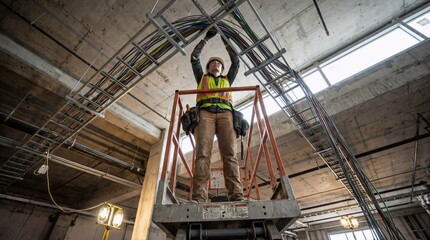
Electrical

Commercial Electrical Installation is a critical component of modern business infrastructure. From office buildings and retail stores to warehouses and industrial facilities, reliable electrical systems are essential for daily operations. Proper installation ensures safety, efficiency, and compliance with regulations. Because commercial properties have more complex power demands than residential buildings, careful planning and professional execution are vital.

Understanding how commercial electrical installation works and why it matters helps business owners make informed decisions that protect both people and property.

Understanding Commercial Electrical Installation

Commercial electrical installation involves designing and implementing electrical systems that support business operations. Unlike residential systems, commercial installations must accommodate higher voltage requirements, greater power loads, and specialized equipment.

These systems include wiring, lighting, distribution panels, transformers, circuit breakers, and backup power sources. They must be carefully engineered to ensure consistent performance and prevent overloads.

Because commercial environments vary widely in function, each installation must be tailored to the specific needs of the facility.

Planning and Design Considerations

The success of any commercial electrical installation begins with thorough planning. Electrical engineers and contractors evaluate the building layout, expected power usage, and future expansion needs.

Planning includes calculating load requirements to ensure that the system can handle equipment such as computers, machinery, lighting, and climate control systems. Proper load balancing prevents circuit overloads and supports stable performance.

Design also takes into account energy efficiency, safety standards, and regulatory compliance. Early planning reduces costly modifications later in the project.

Compliance With Electrical Codes and Regulations

Commercial electrical installation must comply with strict building codes and safety regulations. These standards are designed to prevent electrical hazards such as fires, shocks, and equipment failures.

Compliance involves proper grounding, correct wire sizing, and appropriate circuit protection. Inspections are typically required at various stages of the installation process to ensure adherence to regulations.

Meeting code requirements not only ensures safety but also protects business owners from legal and financial risks.

Installation of Electrical Panels and Distribution Systems

Electrical panels serve as the central hub of a commercial power system. They distribute electricity throughout the building and provide protection through circuit breakers.

During installation, panels must be sized appropriately to handle anticipated loads. Overloaded panels can cause frequent tripping and potential hazards.

Distribution systems connect the panel to various circuits across the facility. Proper layout ensures efficient power flow and minimizes energy loss.

Careful installation of panels and distribution systems supports reliable operation.

Wiring and Conduit Installation

Wiring is a foundational aspect of commercial electrical installation. Because commercial properties often require large amounts of power, wiring systems are more complex than those in residential settings.

Conduits protect wires from damage and ensure organized routing throughout walls, ceilings, and floors. Installing conduit correctly prevents exposure and reduces the risk of electrical faults.

Attention to detail during wiring installation ensures long term safety and performance.

Lighting Systems in Commercial Settings

Lighting plays a significant role in commercial environments. Proper lighting enhances productivity, improves safety, and contributes to overall aesthetics.

Commercial electrical installation includes planning and installing lighting systems that meet the needs of the space. This may involve overhead lighting, task lighting, emergency lighting, and exterior illumination.

Energy efficient lighting options reduce operating costs while maintaining brightness and visibility. Well designed lighting systems improve both functionality and comfort.

Backup Power and Emergency Systems

Many commercial properties require backup power systems to maintain operations during outages. Generators and battery backup systems provide essential support for critical equipment.

Emergency lighting systems are also required in many facilities to ensure safe evacuation during power loss. These systems must activate automatically and remain functional under adverse conditions.

Installing reliable backup systems protects businesses from disruption and enhances overall safety.

Data and Communication Infrastructure

Modern commercial spaces depend heavily on data and communication systems. Electrical installation often includes wiring for internet connectivity, phone systems, and security equipment.

Structured cabling supports organized and efficient data transmission. Proper installation prevents interference and ensures reliable communication networks.

Integrating data infrastructure with the electrical system allows businesses to operate smoothly in a technology driven environment.

Energy Efficiency and Sustainability

Energy efficiency is an increasingly important consideration in commercial electrical installation. Businesses seek ways to reduce energy consumption and lower operating costs.

Energy efficient lighting, advanced control systems, and high efficiency equipment contribute to sustainable operations. Automated systems can adjust lighting and power usage based on occupancy and demand.

Investing in efficient electrical systems benefits both the environment and the bottom line.

Safety Measures and Risk Management

Safety is a top priority in commercial electrical installation. Proper grounding, circuit protection, and insulation prevent electrical hazards.

Regular inspections during and after installation ensure that systems function safely. Clear labeling of panels and circuits supports easy maintenance and troubleshooting.

Implementing strong safety measures protects employees, customers, and property.

Maintenance and Long Term Performance

After installation, ongoing maintenance is essential to ensure long term performance. Routine inspections identify wear and potential issues before they escalate.

Testing circuit breakers, monitoring load levels, and checking connections maintain system integrity. Proactive maintenance reduces downtime and extends equipment lifespan.

A well maintained electrical system supports consistent business operations.

Choosing Qualified Professionals

Commercial electrical installation requires specialized expertise. Experienced electricians understand complex systems and regulatory requirements.

Selecting qualified professionals ensures that installations are performed safely and correctly. Clear communication about project scope, timelines, and expectations supports successful outcomes.

Working with knowledgeable contractors provides confidence and reliability.

Managing Project Timelines and Budgets

Commercial electrical installation projects often align with broader construction or renovation efforts. Coordinating schedules ensures that electrical work integrates seamlessly with other trades.

Budget management involves balancing cost with quality. Investing in durable components and professional installation reduces the likelihood of future repairs.

Effective project management supports timely completion and financial control.

Adapting to Future Expansion Needs

Businesses evolve over time, and electrical systems must accommodate growth. Designing installations with future expansion in mind prevents costly upgrades later.

Including additional panel capacity and flexible wiring layouts allows for easier modifications. Planning ahead ensures that the electrical infrastructure remains adaptable.

Forward thinking design enhances long term value.

Conclusion

Commercial electrical installation is a complex and essential aspect of building safe and efficient business environments. From planning and code compliance to lighting, backup systems, and data infrastructure, every component plays a vital role in daily operations.

Proper installation ensures reliability, safety, and energy efficiency. By working with qualified professionals and prioritizing careful planning, businesses can create electrical systems that support growth and performance for years to come. Investing in quality commercial electrical installation is not just a technical requirement but a strategic decision that strengthens the foundation of any commercial operation.